From Epstein Files to Venezuela, Iran, and Beyond
Introduction
In global politics, timing is never neutral.
When domestic controversies peak, international crises often seem to arrive at just the right moment to dominate headlines. Wars, threats, sanctions, and sudden geopolitical moves quickly replace uncomfortable questions at home.
There may be no official document proving intent — but patterns matter. And when patterns repeat across countries and leaders, they deserve serious attention.
This blog explores how global events repeatedly shift public focus away from domestic accountability, using recent developments involving the United States, Venezuela, Iran, Greenland, and the Middle East as context.
The Epstein Files and a Crowded Domestic Agenda


In the United States, the release and renewed discussion of the Epstein files reignited public attention on elite accountability, political connections, and unanswered questions.
At the same time:
- Congress was debating executive authority
- Questions were raised about presidential actions taken without congressional approval
- Immigration enforcement and ICE operations triggered protests inside the country
Public attention was building — and pressure was visible.
Then the focus changed.
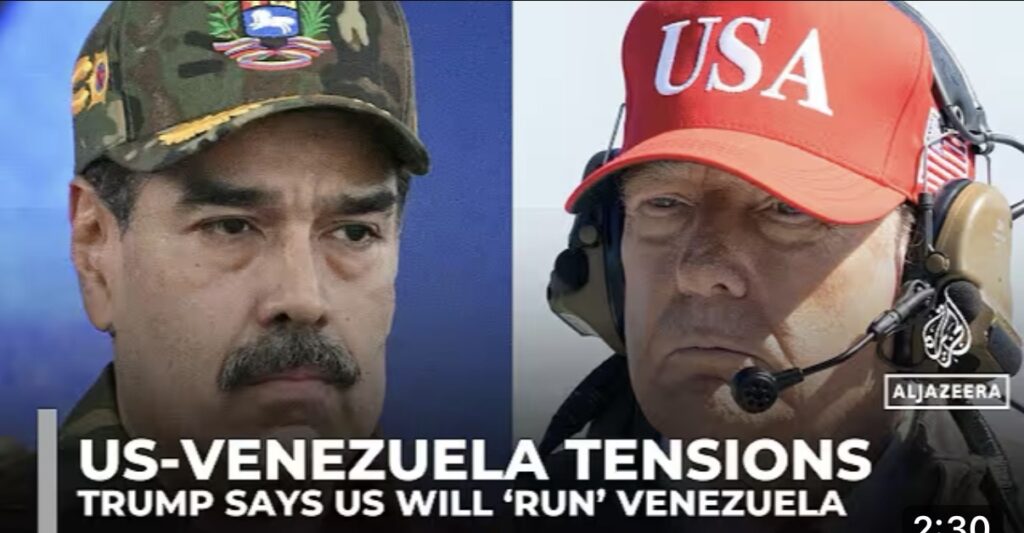
Venezuela: A Sudden Shift in the Spotlight
Almost overnight, global headlines moved to Venezuela.
The capture of President Nicolás Maduro by U.S. forces shocked the international community. Media coverage exploded. Diplomatic reactions poured in. Latin America, oil markets, and global security dominated the news cycle.
Domestic controversies inside the United States did not disappear — but they were pushed aside.
Was the Venezuela operation legitimate geopolitics? Possibly.
Was it strategically beneficial? Undeniably.
Did it shift attention? Absolutely.
No document proves causation — but the timing raises questions.
From Venezuela to Iran, Greenland, and Beyond
The shift did not stop there.
Soon after:
- Rhetoric intensified around Iran, with threats framed as concern for Iranian people
- Discussions resurfaced about Greenland, a NATO-linked territory tied to Denmark
- Cuba and Mexico re-entered political narratives
- Sanctions, military language, and strategic interests dominated discourse
The message became clear: unpredictability itself was the headline.
An unpredictable leader who might strike anywhere becomes the story — and everything else fades.
Iran: Concern, Sanctions, and Contradictions
Iran presents one of the clearest contradictions.
If concern for the Iranian people is genuine, then one must ask:
- Why impose sanctions that cripple the economy?
- Why restrict oil sales, the country’s lifeline?
- Why weaken civilians while claiming moral concern?
Iranian officials have claimed domestic demonstrations support the ruling government, while Western media presents the opposite narrative.
At the same time:
- Israel has long viewed Iran as an existential threat
- Reports of Mossad intelligence activity inside Iran are not new
- Regional destabilization aligns with long-standing strategic goals
Again — no single piece proves orchestration.
But alignment of interests matters.
Netanyahu, Israel, and the Politics of Perpetual Conflict
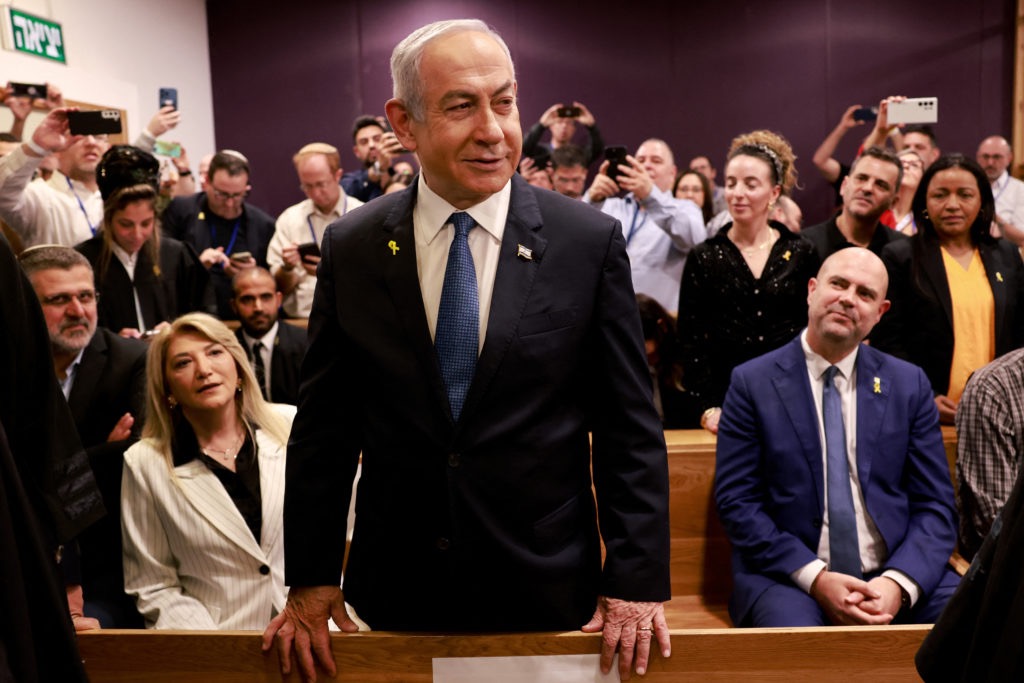
Israel’s history adds context.
From Palestine to Libya, repeated military actions have often coincided with their moments of internal political pressure. Critics have long argued that prolonged conflict can delay accountability, including corruption trials and political challenges.
The pattern is familiar:
- External threat rises
- Internal debate narrows
- National unity is enforced through fear
This does not mean every conflict is fabricated.
It means conflict can be politically useful.
Media Dynamics: Why Crises Win
Modern media rewards:
- Shock
- Fear
- Speed
- Simplicity
Foreign crises provide all four.
Domestic issues like inequality, policing, executive overreach, or elite accountability are slow, complex, and uncomfortable. They require persistence — something news cycles rarely sustain when a war, threat, or invasion emerges.
This is not just political strategy.
It is structural distraction.
Pattern or Coincidence?
To be clear:
- There is no documented evidence proving that foreign crises are deliberately engineered to bury domestic scandals
- There is, however, a consistent pattern where international confrontations overshadow internal scrutiny
Patterns do not equal proof — but ignoring patterns is also dangerous.
History shows that power often hides behind chaos.
Why This Matters
Democracy does not collapse only through coups or dictatorships.
It erodes quietly when:
- Accountability is postponed
- Attention is redirected
- Fear replaces scrutiny
- Crisis becomes permanent
When every moment is an emergency, nothing is examined deeply.
A Question for the Reader
So the question is not:
“Is this all planned?”
The real question is:
Who benefits when attention shifts — and who loses when scrutiny fades?
Is this strategy?
Is it coincidence?
Or is it simply how modern power operates in a media-driven world?
Conclusion
Global crises are real. Threats exist. Wars have consequences.
But so do distractions.
In an age where leaders can dominate headlines with a single foreign move, citizens must remain alert not only to what is happening — but to what is no longer being discussed.
Because sometimes, what disappears from the conversation tells the most important story.